
Most ranked games end on Dragon soul or Baron throws. Objective ESP does not play the fight for you—it removes the fog tax before you click start. This guide covers how Baron and Dragon ESP layers fit League of Legends contests on PC.
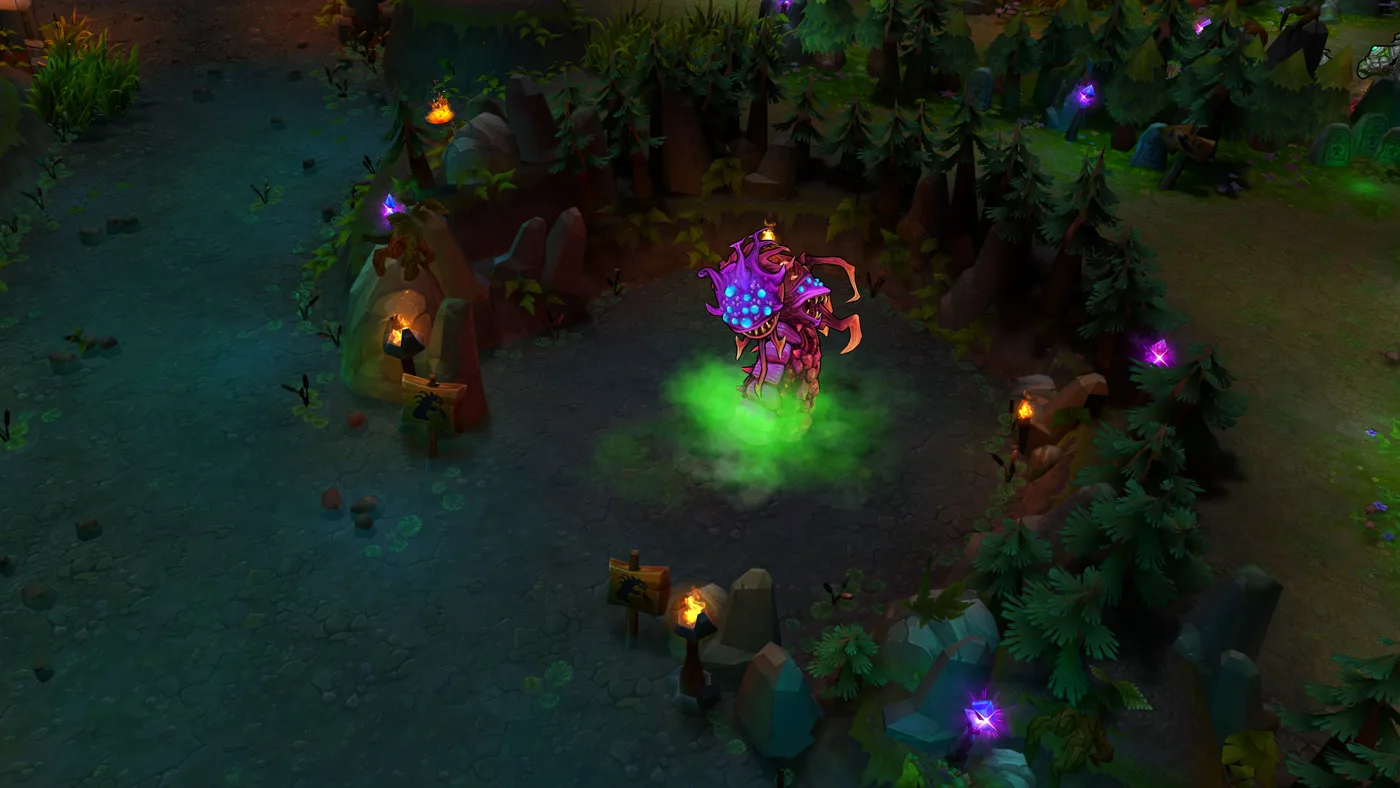
Spawn timing versus pit presence
Spawn timers tell you when to rotate. Pit presence tells you whether the enemy already arrived. Objective ESP helps with both: you stop guessing whether Dragon is 20 seconds away while mid is still farming, and you see who is already in fog near the pit. Enemy and objective ESP →
Fog flanks around Baron walls
Baron walls create classic Teleport and flash-over angles. Wallhack and ESP show who sits behind the pit before you commit smite. Starting Baron into an unseen four-man collapse is the classic throw ESP is meant to prevent. Wallhack guide →
Dragon setups for bot and support
Dragon often starts from bot priority. If ESP shows mid rotating through pixel brush while your support faces river, you either finish the pull or leave—based on numbers, not hope. Supports should combine this with vision and ESP habits; junglers should connect clears to pits via jungle ESP pathing.
When to abandon
ESP that shows a stacked flank is a leave call, not a “maybe we out-smite” call. Good objective play is knowing when not to start. Use cooldown timers for enemy Flash and engages— cooldown tracker guide —so you do not force a pit fight into full summoner spells.
Configuration tips
Keep objective timers and enemy locations on. Soften range rings during the smite fight. After Riot patches that change map or vision rules, recheck overlays with ESP after patch and the broader compatibility checklist.